The Lab
AI Powered Design and Coding Tools
For the better part of a year I've been learning about and using the host of new AI powered tools for both design and coding. AI has been a good starting point for research for a while, I used AI for research in my role at Infoblox. I designed tools for network administrators there and I frequently used AI to learn about what those users did, how they did it and what their pain points were. With the AI tools that have come on the market in the last year I can use AI not only as a starting point for research but for design as well. AI is a great tool for quickly brainstorming ideas for design approaches and determining what the most common way of designing something is.
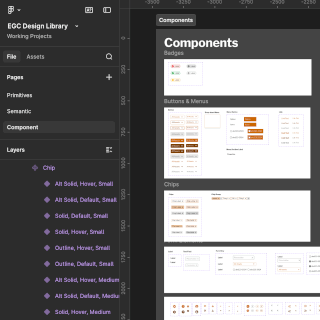
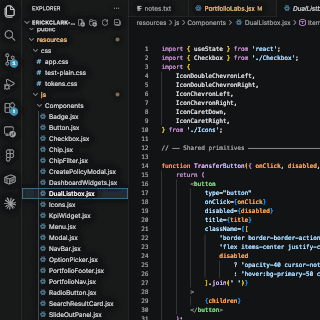
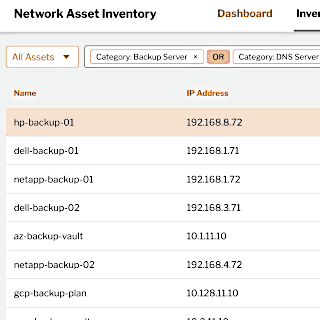
My experimentation with AI tools has led me to create my own pattern and component system and build prototypes of some of my past projects. Using Figma first to design a component library and then Claude Code and the Figma MCP server to convert those components to React, I now can build fully functional prototypes by largely using Claude Code's prompt.
Presented below are fully functional prototypes I've built of past products I've designed, using my pattern and component system.
Network Asset Insights
The last year I was at Infoblox, a SaaS IT administration company, I designed a product from zero-to-one that provides detailed information about the devices (also known as assets) on Infoblox's customers' networks, both in the cloud and on-premises. I was the lead designer for this project, working with a less-senior designer, two product managers and an engineering team. The purpose of this new product is for incident response and auditing.
Firewall Policies & Rules
Also while employed at Infoblox I designed from end-to-end a next-generation firewall service for edge routers within a larger SASE product, enabling IT admins to control network traffic via policies that block inappropriate content (e.g., streaming services) or malicious servers.
Database Search Interface
I worked as the sole UX designer at Datafiniti, a web-crawling data startup selling subscription access to its massive database. Datafiniti wanted to grow beyond its API-only offering by creating a simpler, more accessible interface for customers who needed business data but lacked technical expertise.